
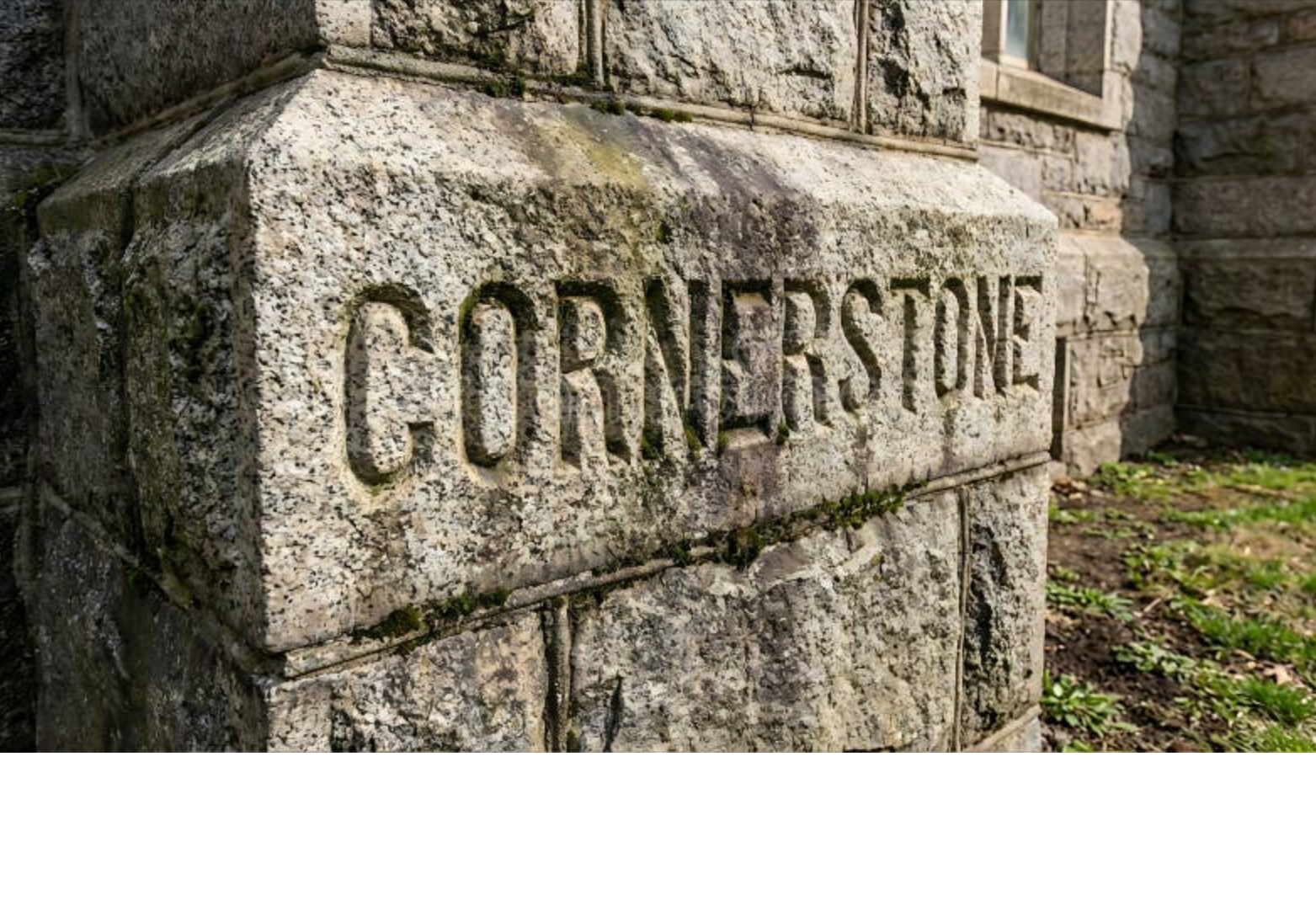
Why the principles of trust architecture are relevant to all mankind—and why reclaiming our responsibilities as stewards is essential to the future of families, communities, and generations.
Introduction: A World in Need of Trust
Humanity has a fundamental need for trust.
For example, we trust others with our families, our livelihoods, our property, our resources, and our futures. Yet many people have never considered the architecture of trust as a means of organizing, protecting, preserving, and responsibly administering the very things entrusted to their care.
Across the world, individuals and families accumulate property, develop businesses, establish financial resources, raise children, and build legacies. Yet too often, we leave the ownership, management, protection, and eventual distribution of those resources to default arrangements, government procedures, institutional policies, or circumstances beyond their control.
This raises an important question:
Shouldn’t every individual and family have a thoughtful structure for managing what they have been entrusted with?
Trust architecture offers an opportunity to answer that question.
A trust is not merely a legal instrument, a financial product, or an estate-planning technique. Properly understood, trust architecture is a framework for responsibility. It provides a way to distinguish ownership, beneficial interests, authority, administration, and stewardship. Furthermore, it establishes an organized approach to the preservation and use of property.
Its relevance extends far beyond wealthy families. The principles of responsible stewardship are applicable to all mankind, regardless of nationality, occupation, income, or social standing.
Taking Inventory of Trust Assets

O.N.C.E. Upon A Trust© 2026
Leave a Reply