
Author: ERMT
-
Who Controls Your Trust Assets?
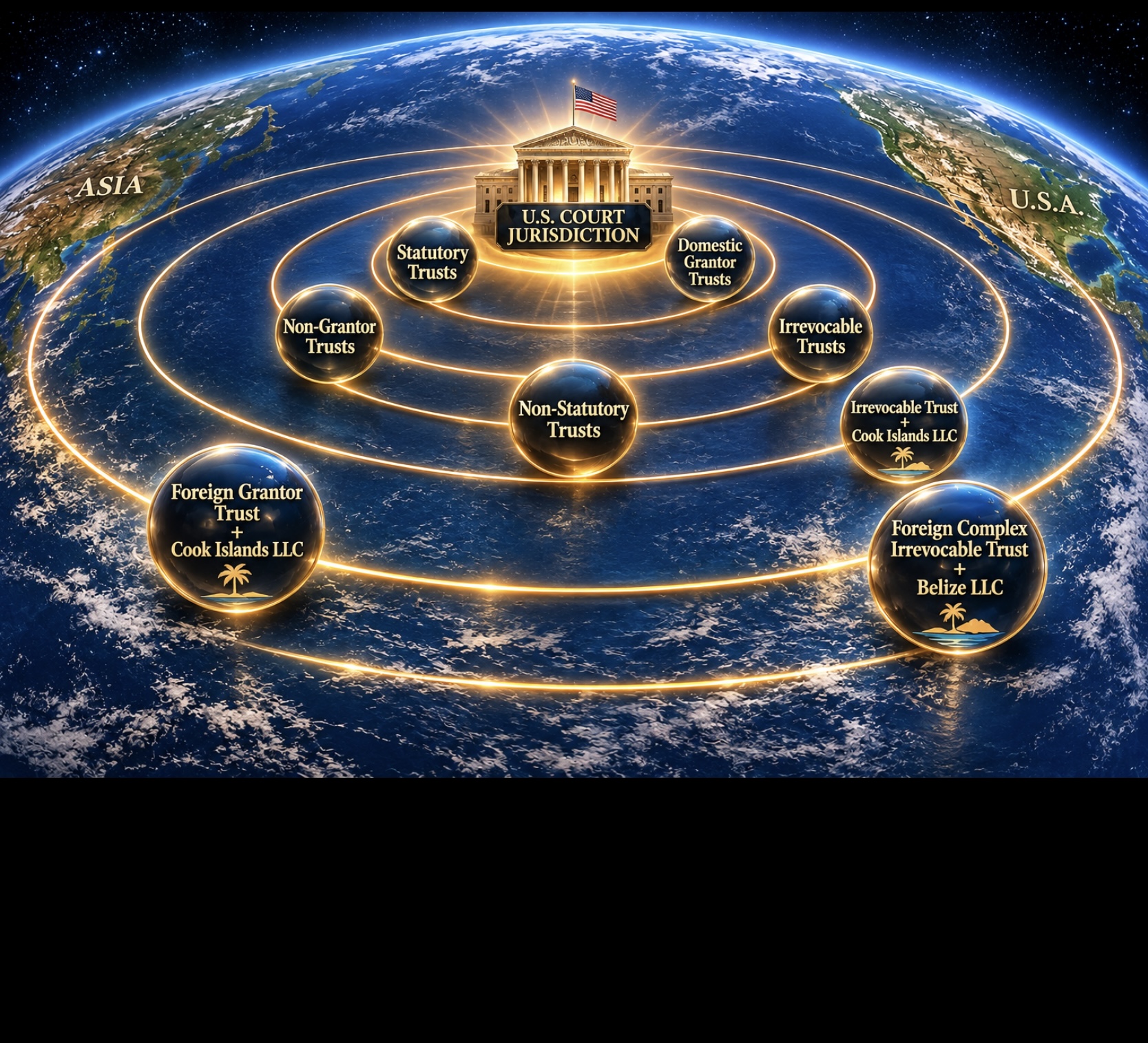
Hint…It Isn’t You. Who controls your trust assets? This is your hint… it isn’t you. You have entered the matrix of control versus protection. The more control you have, the less protection there is for your assets. But… protection from what? Aliens? Bigfoot? The Loch Ness Monster? …we should be so lucky. No, we have… Read more
-
THE TIME IS NOW
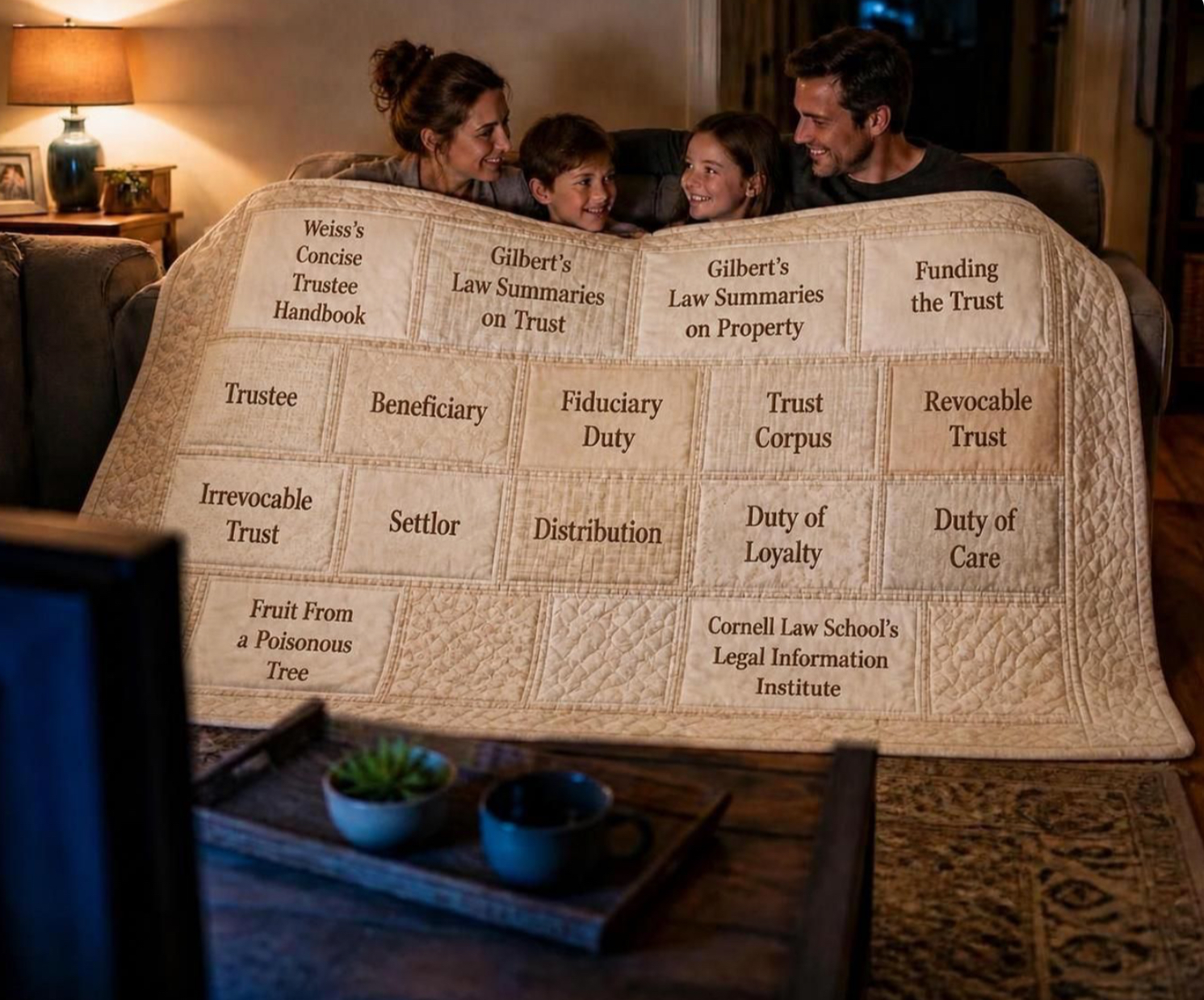
The Time Is Now. Read more
-
A Return to Order, Purpose, and Stewardship

The widespread need for trust architecture is ultimately about a return to order, purpose, and stewardship. It is about restoring a sense of responsibility to the way mankind acquires, owns, administers, preserves, and transfers property. Further, developing trust strategies shows that we recognize our families deserve thoughtful planning, our property deserves responsible administration, our future… Read more
-
A Call to Action: Learn Before You Need To

Most people do not begin investigating trusts until something happens. By that time, it may be too late. That’s why this post is titled, A Call To Action: Learn Before You Need To. A death, a lawsuit, a medical emergency, a family dispute, a business failure, or an unexpected financial event suddenly makes the importance… Read more
-
Reclaiming the Role of the Steward
In reclaiming the role of the steward, we need to know the important difference between merely possessing resources and accepting responsibility for their administration. Possession concerns what we have. Stewardship concerns what we do with it. Genesis establishes mankind’s original relationship with the earth as one involving dominion and responsibility. The teachings of Christ repeatedly… Read more
-
Understanding Trust Architecture in the Modern World
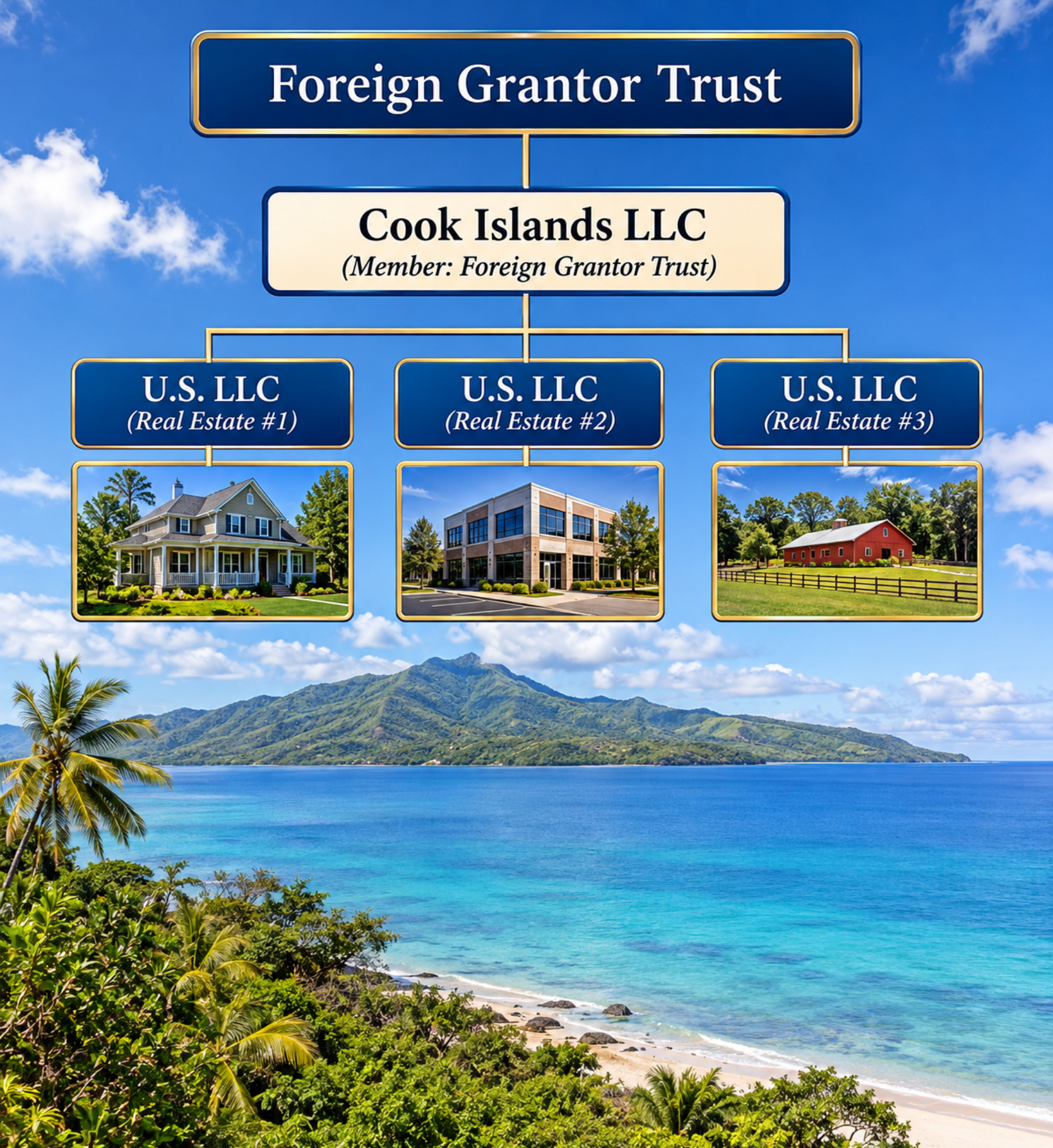
Trusts have developed through centuries of legal history and now exist in many forms across different jurisdictions. However, we believe people have trouble understanding trust architecture in the modern world. O.N.C.E. Upon A Trust PMA would like to remedy that deficit. Modern trust architecture may involve revocable and irrevocable trusts, grantor and non-grantor trusts, domestic… Read more
-
Trusts Are Not Exclusively for the Wealthy

One of the most persistent misconceptions about trusts is that they are instruments reserved for wealthy families, major corporations, and individuals with substantial investment portfolios. But, trusts are not exclusively for the wealthy. They are for everyone, in one form or another. That perception has prevented many ordinary people from investigating an organizational framework that… Read more
-
The Family Trust: An Instrument of Intergenerational Stewardship

A family is more than a collection of individuals sharing a household. It is an intergenerational relationship involving responsibilities, knowledge, resources, and continuity. And, the family trust is an instrument of intergenerational stewardship. Yet many families have no meaningful plan for preserving what one generation has worked to establish. Without proper planning, the transfer of… Read more
-
Trust Architecture and the Biblical Recovery of Responsibility
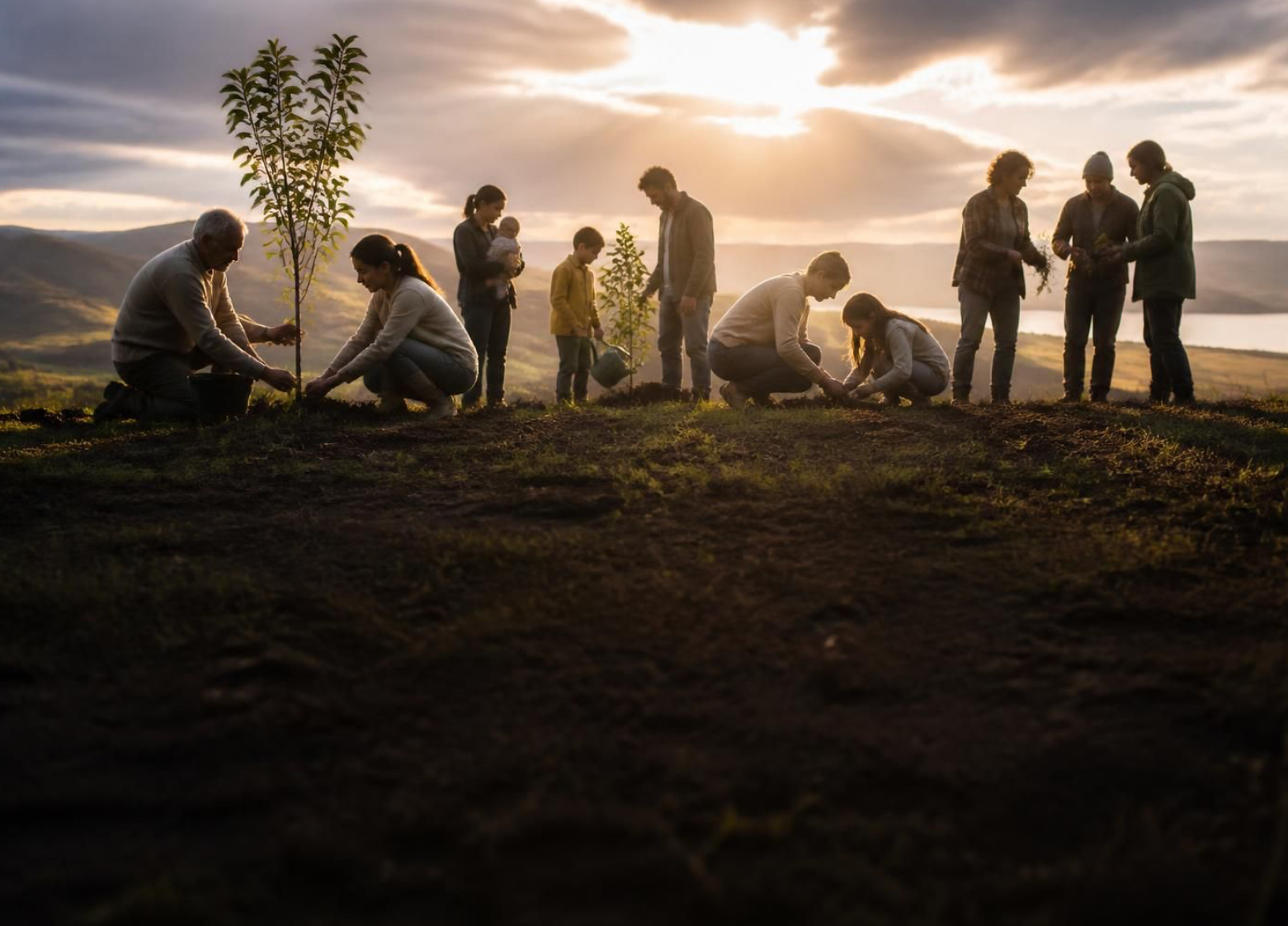
Perhaps the greatest opportunity presented by trust education is not financial at all. It is the opportunity to reconsider our responsibilities. Modern society has developed an extraordinary dependence on institutions to manage nearly every aspect of human affairs. Governments regulate, financial institutions administer, corporations manage, and professional intermediaries often become the default decision-makers in matters… Read more
-
Financial Flexibility: Moving Beyond Default Arrangements
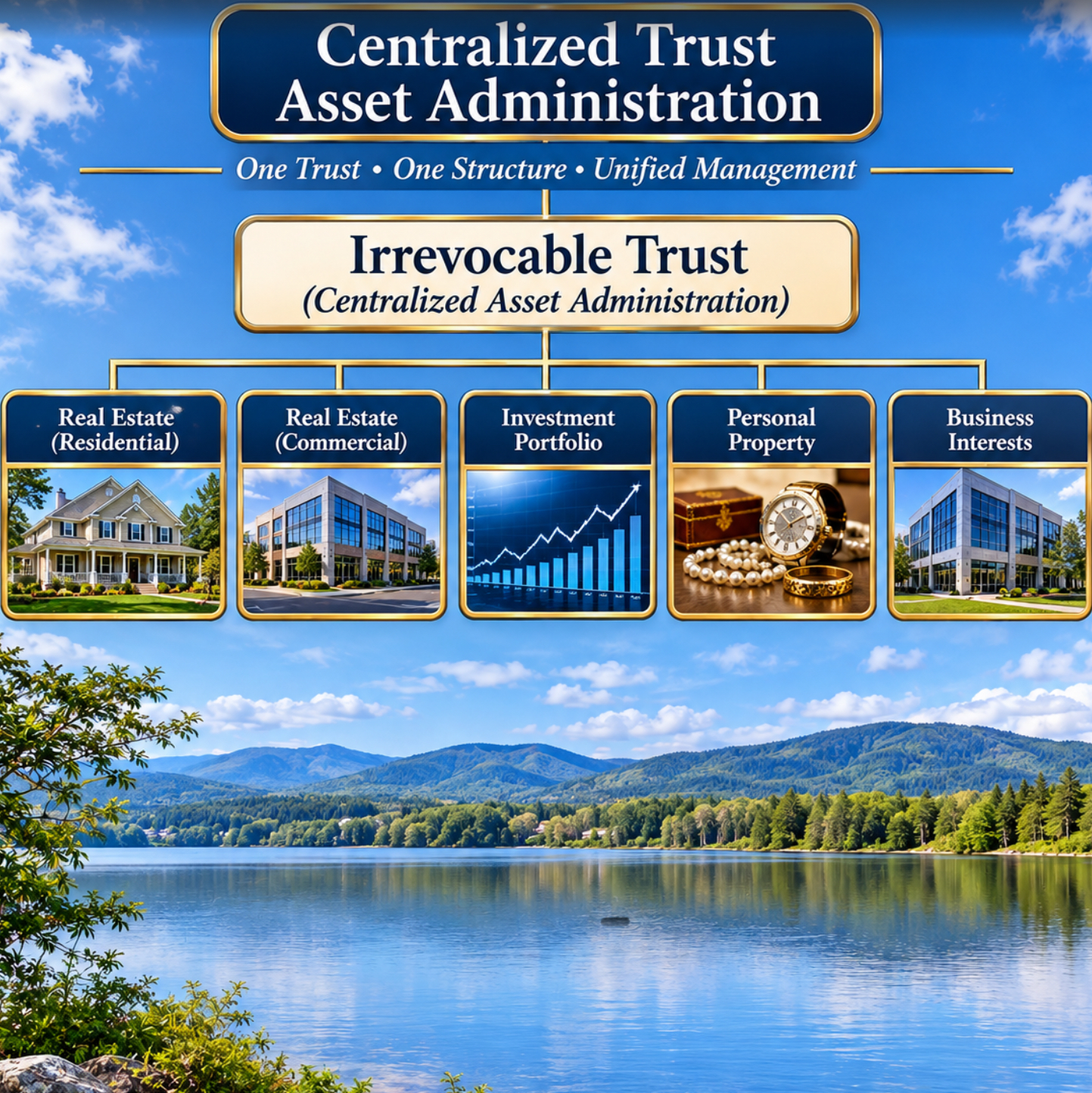
Modern financial life is increasingly complex. People frequently hold assets in multiple forms and through multiple institutions. They may own real estate, operate businesses, maintain retirement accounts, hold investment portfolios, acquire precious metals, and possess intellectual property. Yet people often organize their assets independently, without a comprehensive understanding of how ownership, management, succession, and distribution… Read more