
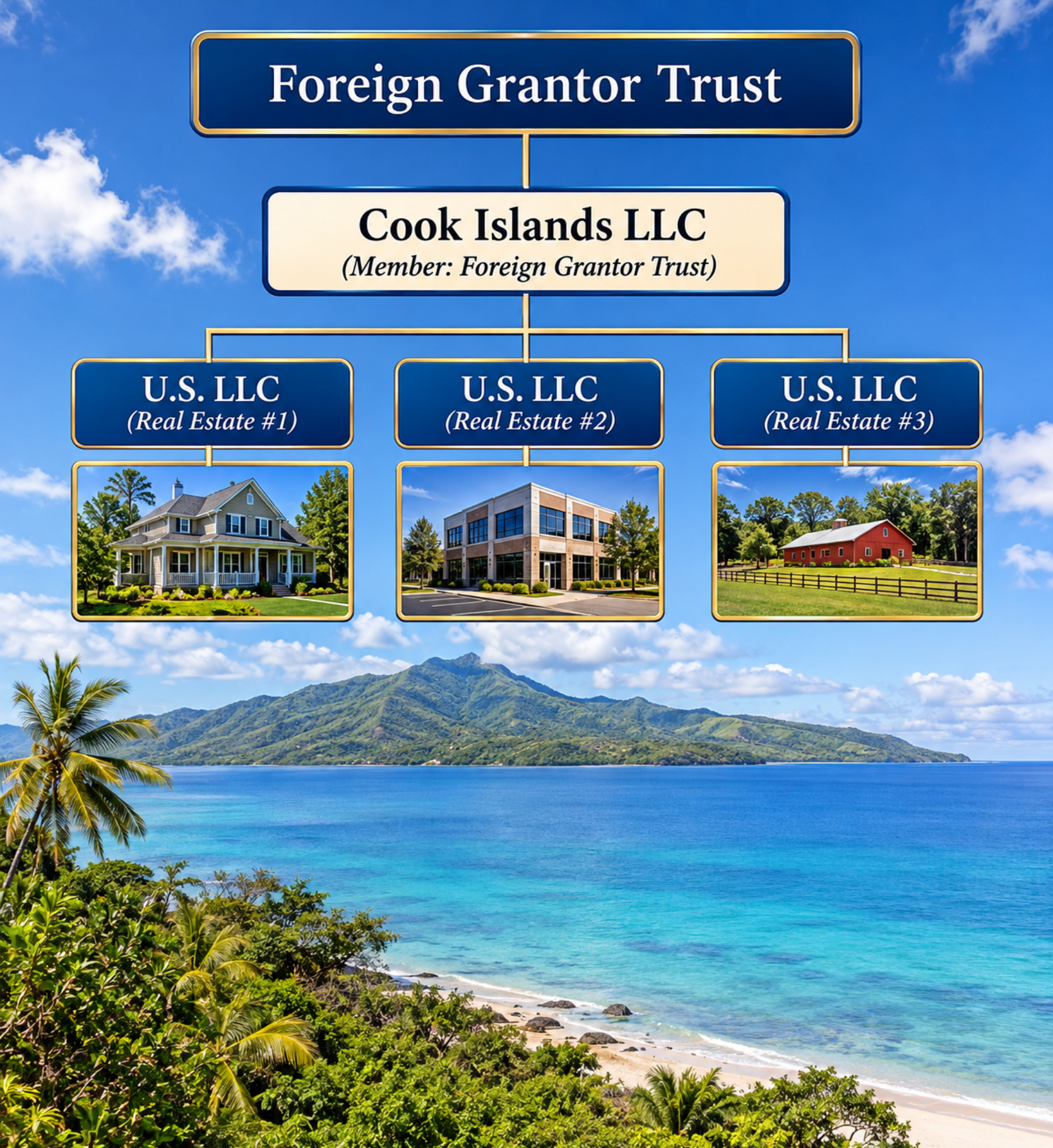
Trusts have developed through centuries of legal history and now exist in many forms across different jurisdictions. However, we believe people have trouble understanding trust architecture in the modern world. O.N.C.E. Upon A Trust PMA would like to remedy that deficit.
Modern trust architecture may involve revocable and irrevocable trusts, grantor and non-grantor trusts, domestic and foreign trusts, charitable arrangements, family trusts, and other specialized structures.
Each has distinct legal, financial, administrative, and tax considerations.
Understanding these distinctions is essential.
For example:
A revocable living trust generally allows the grantor to retain amendment and revocation powers during life.
An irrevocable trust generally establishes more enduring arrangements, although the degree of flexibility depends on its terms and governing law.
A grantor trust is generally treated as owned by its grantor for specified income-tax purposes.
A non-grantor trust is generally treated as a separate taxpayer for federal income-tax purposes.
Domestic and foreign trusts may have substantially different reporting, administration, and tax obligations.
These distinctions matter because the word trust does not describe a single, uniform legal arrangement.
Trust architecture requires an understanding of the relationship between the instrument, the parties, the property, the governing law, and the actual administration.
Likewise, a trust cannot automatically defeat existing creditor rights, eliminate taxation, or override applicable law. Transfers intended to hinder legitimate creditors may be challenged, and certain trusts and transactions carry substantial reporting obligations.
Knowledge precedes effective structuring.
A person cannot make an informed decision about a structure that he or she does not understand.
This is why widespread trust education is so important.
Layering Trust Strategies – Forbes

O.N.C.E. Upon A Trust© 2026
Leave a Reply